


Summary
Marketing is often seen as the driving force behind new business development, but this approach can dilute sales effectiveness. If your business feels the strain, it’s time to rethink how sales and marketing collaborate. Learn how to master alignment in "B2B Sales and Marketing Mastery: A Complete Guide to Success". To secure buy-in for strategic changes, read "How to Secure Board Approval for Digital Selling". For a deeper look into crafting an actionable digital selling business plan, visit "Building a Digital Selling Business Plan for Success".
You'll Discover:
- Why marketing often overextends its influence in new business development.
- How to realign roles for sales and marketing teams effectively.
- Steps to ensure your business development efforts are focused on outcomes.
- Tools to improve collaboration and transparency between departments.
Introduction
This article discusses the challenges businesses face in B2B sales and marketing, highlighting the limitations of traditional approaches like marketing automation and Account-Based Marketing (ABM). I stress the importance of embracing new technologies and strategies, such as live streaming, open access content, and digital selling, to create authentic, engaging, and scalable connections with prospects. By prioritising personalisation, creativity, and genuine value, businesses can effectively measure their marketing efforts' impact, promote content more effectively, and adapt to the evolving demands of their target market. The article encourages businesses to reassess their marketing approaches, challenge the status quo, and explore alternative strategies beginning with Digital Selling to stay competitive and drive growth.
Contents
2. Adobe & Demandbase Encourage Collaboration with Sales
3. The Problem with B2B Marketing
4. Marketing Automation was designed for B2C, not B2B
5. Gifting: A New Term for Bribing
6. Caution with New Technology Adoption
7. Repeated Mistakes and Accountability
8. Marketing is an Administrative Function
9. Are B2Bs Resistant to Change?
10. Shift to a Profit Based Model
11. Promote Your Content Effectively
1. Introduction
The landscape of business development is shifting, with marketing departments increasingly taking on the responsibility of managing business development representatives (BDRs) and driving new business from the ground up. This involves both generating interest and initiating conversations with potential clients, which is quite different from the traditional role of salespeople in identifying and pursuing new business opportunities.
Historically, sales professionals relied on their people skills and innate ability to seek out new prospects through various channels. The transition from BDR to account executive or field sales was a common career progression. With marketing now overseeing new business development, conflicts arise over allowing BDRs to transition into sales roles and maintaining call-based KPIs without focusing on the end results.
2. Adobe & Demandbase Encourage Collaboration with Sales
Recently, both Adobe (Marketo) and Demandbase have emphasized the need for marketing departments to collaborate and align with sales teams. They argue that marketing should be more receptive to sales involvement in decision-making processes.
Despite this push for collaboration, some within the marketing industry continue to blame salespeople for not closing deals, even when the leads they receive are of poor quality. This ongoing conflict highlights the need for better understanding and cooperation between sales and marketing to ensure that both departments work together effectively.
3. The Problem with B2B Marketing
As we enter 2023, many B2B organizations continue to struggle with digital marketing efforts such as demand generation, pay-per-click, and account-based marketing. A significant issue is the focus on achieving KPIs for BDRs, such as making a certain number of calls, rather than generating quality leads that result in increased business and profitability.
Marketing efforts often overlook key aspects of the B2B buyer journey, including the fact that businesses prefer to self-educate before engaging with a salesperson and remain anonymous during the research process. As a result, marketing automation and online forms can be counterproductive, discouraging potential customers from engaging with a company.
What marketers consistently fail to acknowledge to anyone is:
- 83% of business will self-educate before they engage with a salesperson
- Businesses don’t realise that marketing automation forms hide content from Google
- Businesses want to remain anonymous (because growth plans are private!)
- Business do not want to fill out online forms and plaster their data all over the Internet
- Businesses have NEVER wanted to receive cold calls!
The online publishing company B2B Marketing (now called Propolis), an organisation in London, released a report stating that CMOs will have earned their place on ‘The Board’ by 2030. After I picked my jaw up off the floor… 2030, are you kidding me. CMOs have been doing the job for the past five decades and B2B Marketing are saying, give us another seven years and you might like what we’re doing. I couldn’t make this up.
To fully understand how and why digital activity has change dna what you can do to start replanning, take a look at our section on Digital Selling and learn how it differs from typical sales and marketing strategies.
4. Marketing Automation was designed for B2C, not B2B
One major contributing factor to the ongoing struggles in B2B marketing is the misapplication of marketing automation, which was originally designed for B2C companies. While obtaining email addresses and calculating lifetime value (LTV) works well for B2C brands, these strategies do not translate seamlessly to the B2B market.
In the B2C context, consumers willingly share their information with brands they love, such as Audi or Adidas, and are happy to receive marketing communications. However, the B2B market is much different; companies find it difficult to gain traction with marketing automation and demand generation, particularly given the legal requirements for allowing users to unsubscribe from communications. This disconnect between B2C marketing practices and the unique needs of the B2B market highlights the need for a more tailored approach to B2B marketing strategies.
I was told by a CEO of a start-up in December 2022, that one of the largest SME marketing automation SaaS platforms had a call-centre of over 200 people, to follow up and try and close business. Therefore, if you were led to believe that marketing automation would replace early-stage prospecting and leads would flood in, you were not told the truth. Not even the SaaS companies believe this.
5. Gifting: A New Term for Bribing
The recent trend of "gifting" in sales involves offering prospects gifts through CRM systems like Salesforce via APIs. This practice, previously referred to as bribing, has now been automated and integrated into ABM strategies. However, resorting to gifting can be seen as a sign of desperation or a failed sales approach, regardless of the ABM engagement tier a prospect falls into. It also paves the way for more direct requests, such as prospects asking for more incentives for large deals.
6. Caution with New Technology Adoption
While new technology and SaaS products can offer numerous benefits, businesses should be cautious about blindly adopting them. Big Tech and MarTech encourage marketing departments to invest in their SaaS solutions, but the actual results may not always align with business owners' expectations.
Author Daniel Kahneman highlights the issue of marketers using repetition to influence decisions, resulting in instinctive rather than well-researched actions. As a result, marketing strategies and job descriptions may become homogenized, with little consideration for the unique financial needs of individual businesses.

Marketing strategies have become instinctive, as well as the production of job descriptions for new marketing personnel. They all say the same thing and request new employees to undertake the tasks specified by the job description, not based upon the financial requirements of the business.
It's a bittersweet message. I want to be wrong and engage in business like everyone else and just get on with selling. However, the reason I started on this journey in the first place was because in my early years I did the cold calling, I employed the BDRs, I did the pay-per-click, I did the marketing automation and fortunately I made it my business to find out why it didn’t work the way all the big-named marketers were saying it did. It took some time, but I did unravel it. But we both know, there’s no point complaining about something without having a solution. Which has also been developed.
7. Repeated Mistakes and Accountability
Making a mistake is one thing, but persistently recommending strategies that negatively impact businesses is another matter entirely. Businesses expect their highly paid marketing professionals to contribute positively, but often the average tenure of CMOs and senior marketers is short-lived, indicating that they may not be meeting expectations.
It's crucial to question how often CMOs are instructed to execute existing marketing plans, create new strategies, or analyse granular details that affect the bigger picture.
8. Marketing is an Administrative Function
Many marketers lack entrepreneurial creativity, and their roles are more administrative in nature, similar to accounting or HR. While businesses hope that B2B marketers can facilitate new business development and increase revenue, current expectations may not align with their capabilities.
Interestingly, degrees are available in marketing, accounting, and HR, but not in sales, emphasizing the need for a more balanced approach to business development across all departments.
Based upon my description and opinion of marketing, it woujld be vapour if I did not have an alternative approach, simply starting with the beginning of the engagement process - We have named this strategy Social 444.
9. Are B2Bs Resistant to Change?
The world is continuously evolving, but B2B companies sometimes believe they have it all figured out and are too proud to explore better ways to generate new business. This mindset often stems from marketing departments trying to maintain their positions without fully embracing cutting-edge technologies like Live Streaming and using LinkedIn Live, YouTube, or other video streaming platforms.
Despite CFOs and financial data showing that traditional marketing methods aren't working, marketers continue to insist on investing in their strategies during difficult times. We’ve all heard it before from marketing: -
- The best time to turn up the marketing is during a downturn
- The best time to grow the business is during a recession
- All the successful companies increase their marketing presence when it gets tough
And the CFO says, “you’ve got to be joking!”
10. Shift to a Profit Based Model
It's crucial to analyse your own statistics, such as correlating the number of employees against turnover over the past three years. Traditional marketing methods like pay-per-click, banner ads, and events rarely lead to significant improvements in turnover and profitability.
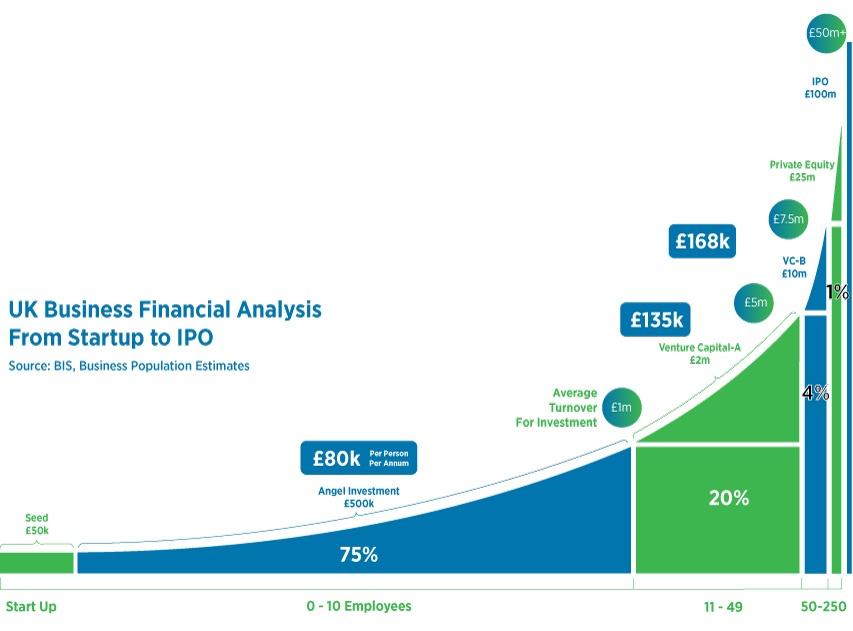
No amount of pay-per-click, banner adverts, or events cause a flip in turnover and if there is a blip, what was the corresponding profitability? You may even have to odd salesperson who has a blip in their career and the ‘stars align’ and they have a great year, but you’re always at the behest of Pareto’s 80/20 Rule.
If I had not done so much research and testing regarding all things marketing, I certainly would not be able to challenge them. The only method of establishing your unique selling points, and the individuality of your business, is through the unique individuals you have working for you.
The only truly effective way to communicate to your prospects and total addressable market at scale, who your unique individuals are, and your authenticity, is via live streaming.
Live streaming demonstrates creativity, authenticity, empathy, professionalism, and the list goes on! Businesses do not want to be cold called or pestered. Businesses use content to self-educate and will self-serve when searching for a supplier.
- Edit your content with chat GPT to ensure readability and indexability.
- Un-gate all your content and make your website open access
- During your live show, send prospects to your website to advise, engage and close
Broadcasting a weekly live show to your prospects is what they want – just look at the viewer statistics:
- YouTube Viewer – 122 million per day.
- LinkedIn viewers – 143 million per day.
11. Promote Your Content Effectively
Creating content isn't enough; you need to promote it effectively. Treat online content promotion like a book publisher promoting a new release, and plan to create multiple ads for each piece of content. Give prospects a reason to click on your ads by highlighting what's in it for them and differentiating your content from competitors. Engaging with content is the first step towards turning prospects into customers.
Imagine if product marketers applied their skills to content creation, researching market needs, engaging with customers, and ensuring content is fit-for-purpose.
12. Closing Comment
We practice what we preach, as you can see, our website is open access and we encourage you to take a look at the articles, downloads, infographics, video, podcasts and recorded live shows for you to learn about implementing a new approach to new business development combining open access content, live streaming and digital selling.
Listening to the news, we’re told it’s going to get tough this year. You may be thinking about cutting costs wherever you can, perhaps starting with marketing costs – I couldn’t agree more, I’ll help, but with a caveat; find out about our overall strategy and start making plans to reach your total addressable market (TAM) at scale.
If you know the size of your TAM, the Internet says between 1% and 15% plan to begin their buying journey every week. Our strategy invites all of them to watch your live show every week, your content will help them learn more about you in their timeframe, and your website help them get in touch with you to buy.
This approach requires less staff than ever, to reach more prospects than ever, for more profit than ever and for less cost than ever before.
Now you have read about an alternative strategy to sales and marketing. The decisions and path your sales and marketing teams adopt now have a new business approach they can measure against. Do you stay as you are and maintain existing revenues or be the early adopter in your industry.
"If you do what you've always done, you'll get what you've always got" - Not Einstein!
13. Takeways
-
Traditional B2B sales and marketing approaches may no longer be effective in today's rapidly changing business environment. CEOs should be open to exploring innovative strategies for generating new business.
-
Live streaming and open access content can be powerful tools for engaging prospects, demonstrating authenticity, and showcasing the unique aspects of your business.
-
Rethink marketing roles and responsibilities to align with a profit-based model, focusing on creating content that truly resonates with your target audience and effectively promotes your brand.
-
Avoid getting caught in the trap of marketing automation and Account-Based Marketing (ABM) without understanding the tangible benefits and potential drawbacks for your specific business context.
-
Continuous evaluation of your marketing efforts and investments is crucial to ensure your business stays ahead of the competition and adapts to the evolving demands of your target market.
14. FAQs
How can live streaming and open access content improve B2B sales and marketing efforts?
Answer: Live streaming and open access content provide an authentic, engaging, and scalable way to reach prospects, demonstrate expertise, and build trust. By offering valuable information without barriers, businesses can attract more potential clients who will be more likely to convert into customers.
What are the main drawbacks of relying solely on marketing automation and Account-Based Marketing (ABM) strategies?
Answer: Relying solely on marketing automation and ABM strategies can lead to a lack of creativity, personalization, and authenticity in outreach efforts. Additionally, these approaches may not address the unique needs of individual prospects, limiting their overall effectiveness in driving sales and conversions.
How can businesses effectively measure the impact of their marketing efforts and investments on their overall profitability?
Answer: Businesses can measure the impact of marketing efforts by tracking key performance indicators (KPIs) such as conversion rates, customer acquisition costs, and return on investment (ROI). Additionally, businesses should analyse historical data and compare it to industry benchmarks to evaluate the success of their marketing strategies.
What are some key strategies for promoting content more effectively and engaging prospects in a meaningful way?
Answer: To promote content effectively, businesses should create multiple adverts for each piece of content, highlight the benefits for the target audience, and offer a unique value proposition. Engaging prospects meaningfully involves understanding their needs, providing valuable information, and fostering genuine connections through various communication channels.
How can businesses adapt their marketing strategies to stay ahead of the competition and address the evolving demands of their target market?
Answer: Businesses can adapt their marketing strategies by embracing new technologies and platforms, such as live streaming, and focusing on providing value to their target audience. Additionally, they should prioritize personalization, authenticity, and creativity in their marketing efforts to stand out from competitors and effectively address the changing needs of their market.

The author and founder of salesXchange, Nigel Maine is a B2B marketing and sales expert with a proven track record in scaling up growth for Technology, SaaS, and Professional Services organisations. With 30 years hands-on experience and unique approach, Nigel has developed an effective strategy that dramatically increases exposure and profitability for B2B organizations.


