


How to Master B2B Growth through Digital Selling
Learn what to do next when it comes to writing more business. Don't forget to pass it on!
Seminar Marketing That Actually Builds Your Business
Seminars work. If you do them properly, getting a room full of customers and prospects to come and listen to you is one of the most direct and effective things you can do in B2B. No algorithm to fight. No cold call quota to hit. A group of people who showed up specifically because they want to hear what you have to say. That is a different conversation entirely.
We know that 95% of your market is not actively buying at any time. Most of them are carrying on with their day, not thinking about you or your competitors. A seminar changes that dynamic. Done well, it creates a moment where a prospect stops and pays attention — and in B2B, that is rare and valuable. It is also far cheaper than the waste most businesses rack up chasing the 5% who are in-market right now.
Seminar Marketing Can Mean Money in the Bank
Buyers take time. They do not invite a new supplier into their world quickly. Trust is earned, not demanded. A well-run business seminar, on a subject that genuinely matters to the people in the room, can compress that trust-building timeline faster than almost anything else in your toolkit. You stop being a cold contact and start being the person who gave them something useful.
Here is the mistake most businesses make. They pick a topic that suits them and then wonder why the room is half empty. The subject has to pull people out of their offices. That takes research. Find out what problems keep your prospects awake. Find out what they want answers to that they cannot get elsewhere. Then build the seminar around that — not around your product.
And once the event is over, that is not the end. Recording, B2B Sales Live Streaming, and promoting the content long after the day itself means the reach of a single event can multiply many times over. One good seminar, broadcast and distributed properly, can keep working for months.
Choosing the Right Type of Event
Not every business suits a formal seminar format. Before you book a venue and start writing slide decks, think honestly about your audience and what you are selling.
- If you are in professional services — law, finance, accounting — a structured seminar with expert-led content usually fits your clients well.
- If you are in technology, telecoms, IT, software, or hardware, an exhibition-style format where people can see and interact with what you sell may land better.
- If you have a substantial customer base and an established relationship with your market, a networking event — less formal, more social — can be exactly the right move.
Pick the format that your audience will actually show up for. The format serves the audience, not the other way around.
Planning the Seminar
Start planning at least six months out. That is not excessive — it is the minimum if you want a good turnout and a clean event. Decisions you need to make early:
- Location: choose based on the event type and ease of access for your audience, not just what is convenient for you.
- Objective: are you selling, building awareness, or sharing information and letting the relationship develop naturally? Be clear before you start.
- Content: who speaks and on what? Do not leave this to chance or fill it with whoever is available on the day.
- Audience: will you invite prospects as well as customers? Will you allow them to bring a colleague or a peer? Encouraging guests to bring someone else is one of the simplest ways to extend your reach at no extra cost.
- Dates: avoid Mondays, Fridays, half terms, school holidays, and known industry exam periods. These are not arbitrary preferences — they are the difference between a full room and an embarrassing turnout.
- Numbers: set a realistic attendance target. Too small and the room feels dead. Too ambitious and you are setting yourself up for a visible failure.
- Incentives: some audiences need a reason beyond the content itself. Others do not. Know which camp yours is in.
Setting Clear Objectives
Before the event, every member of your team who is attending needs to know what success looks like and what their role is. This is not just about who presents what. It is about who handles introductions, who manages the room, who follows up on conversations afterwards, and what the agreed next step is for every meaningful interaction. Events without clear internal objectives produce a great day with nothing to show for it a month later.
Seminar Content
Do not walk up to the lectern and do a twenty-minute sales pitch. Nobody in that room came to hear that, and they will not come back for the next event if you do. Your content needs to position you as a credible authority in your field, from the first slide to the last question. Deliver genuine value. Share insight they cannot easily find elsewhere. Let the quality of what you say do the selling for you. That is what Reach Prospects Live Streaming is built around — education first, and conversion as the natural consequence.
Seminar Marketing
You need a mix of people in the room. An event full of existing customers alone is a good customer meeting, not a seminar that grows your business. Think across three groups:
- Existing customers — they strengthen the room and may themselves become advocates on the day
- Professional contacts and associates — they add credibility and variety to the audience
- Prospects — the people you actually want to convert
When you invite any of these groups, ask them to bring a relevant colleague or contact. It costs nothing to ask. Start promoting the event approximately five months before the date. That sounds like a long runway, but diary competition in B2B is real. People book up quickly, and late invitations get declined regardless of how good the event sounds.
Seminar Registration
Keep registration friction low. The easier it is to sign up, the higher your conversion rate from invitation to confirmed attendee. You have several options worth considering:
- An integrated registration and membership system built into your own website, connected to your existing contact and newsletter database, is the most controlled option. It lets you promote, track, confirm, and communicate with all delegates without relying on a third-party platform.
- Eventbrite remains the most widely known free-to-use event registration platform. In 2024 it distributed over 270 million tickets across 4.7 million events globally. For most SMEs, it is a practical and straightforward starting point, particularly if your audience is already familiar with it.
- For larger or more complex events, Cvent offers fully integrated event management that connects with CRM systems like Salesforce and HubSpot, as well as marketing automation platforms including Marketo. It handles registration, messaging, reminders, and delegate apps in one platform — and has recently acquired ON24, extending its reach into webinars and digital engagement. That level of integration has a cost and a learning curve to match, so it is better suited to businesses running multiple events per year.
Choosing the Venue and the Right Day
Hotels are the default. They do not have to be. Think about the experience the venue creates for the people who show up. An unusual venue — a private members' club, a working studio, a golf club, somewhere with a bit of character — makes the event more memorable and gives people a reason to mention it afterwards. Accessibility matters. A remarkable venue that takes forty-five minutes off a motorway junction is a bad choice. Find the balance.
On timing: avoid Mondays and Fridays. Avoid half terms. Depending on your audience, a Saturday morning can outperform a mid-week slot — but find that out through research, not assumption.
Sponsorship
If you are a reseller or you represent a manufacturer or distributor, ask them for support before you spend a penny of your own budget. At minimum you might get branded materials and a pull-up display. More often than you would expect, you can secure a contribution to the venue cost, demonstration equipment, additional staff on the day, or merchandise. Manufacturers have marketing budgets with targets attached. They need to spend that money. Give them a structured reason to spend it with you.
Taking It Further — Live Streaming Your Event
Here is something very few businesses are doing. Record your seminar properly and broadcast it. Not as an afterthought, not as a shaky camera in the corner — as an intentional part of how the event works. The live audience gets the in-person experience. Everyone else on your total addressable market gets access to it through Live-Stream articles and the recorded version you distribute through email and social. One event becomes multiple touchpoints. The content carries on working long after you have packed away the chairs.
This is the model we describe in detail across salesXchange. A seminar is not a one-day activity. It is the centrepiece of a content and outreach strategy that runs for weeks before the event and months after it. The businesses that treat it that way get a return that justifies the effort. The ones that send a few invitations, run the day, and then move on to the next thing get a good room and no lasting impact.
The salesXchange Approach
As part of a salesXchange Syndicate, we plan and manage two events per year for your group — a networking social event and an exhibition-style event. The commercial logic is straightforward: you reach four times as many prospects and customers as you would by running an event on your own, and you share the cost and preparation across the group.
No single member has to carry the day alone. All five businesses in your group have the opportunity to present, which gives attendees a range of subjects and perspectives, and distributes both the effort and the credibility across the group. If you prefer to organise your own event, we can help with that too. Email us at
If this article has made one thing clear, it is that seminar marketing done properly is not an isolated activity — it is part of a broader go-to-market model that needs to be built the right way before the first invitation goes out. Most businesses plan the event but have no coherent strategy around it. The GTM Reset course fixes the underlying model: how you get in front of your market, how you build trust before anyone is ready to buy, and how an event fits into a system that generates consistent pipeline rather than a one-off spike.
The course is 20 modules, CPD certified, built on sales fact and not marketing theory. Most CEOs go through it with their VP of Sales, aligning on the diagnosis together before involving the rest of the GTM team and implementing the new strategy.
Review The Reset TodayRelated Articles in This Series
- How to Reach B2B Prospects at Scale Using Live Streaming
- How to Connect with More B2B Prospects Using Live Streaming
- Embracing Digital Selling and Live Streaming for B2B Business Growth
- Why Live Streaming Is One of the Most Effective B2B Sales Tools
- B2B Sales Success with Live Streaming and Digital Selling
- Live Streaming: B2B Advice — Series 2 Episode 1
- Live Streaming: Digital Content for B2B Success — Series 2 Episode 2
- Live Streaming: B2B Promotion — Series 2 Episode 3
- Live Streaming: Engaging B2B Prospects at Scale — Series 2 Episode 4
- Live Streaming: B2B Events and Roadshows — Series 2 Episode 5
- Live Streaming: Digital Selling Review — Series 2 Episode 6
- The Kit You Need for B2B Live Streaming
- Where to Send Customers After Your Live Stream
- Customer Acquisition Using Live Streaming
- Getting Sales Digitally Ready for Streaming
- Three Pillars to Business Growth
- What Else Can B2B Live Streaming Do?
- B2B Live Stream Strategy — End of Year Show
Complete guide: B2B Live Streaming Expertise for Tech & Services
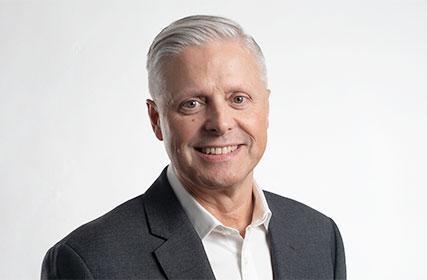 Nigel Maine is the founder of salesXchange and the architect of the sX Operating System — a B2B commercial framework built from three decades of running technology sales, not from marketing theory.
His work is grounded in a single conviction: that most B2B growth models were designed for consumer buying behaviour and have never been corrected. salesXchange exists to fix that. Nigel works directly with CEOs and commercial leadership teams across Technology, SaaS and Professional Services to rebuild their GTM infrastructure from first principles.
He is a published author, public speaker and hosts a weekly B2B live show broadcast across LinkedIn, YouTube and Facebook. Contact: 0800 970 9751 or


