


B2B Live Streaming: Why Your Weekly Show Is Now Your Most Powerful Sales Tool
Most B2B businesses are spending money on sales and marketing activity that stopped working years ago. Cold calling, marketing automation blasts, gated whitepapers, and pay-per-click campaigns that generate clicks from people who will never buy from you. The problem is not the team. The problem is the model. And until you fix the model, nothing else you add to it will improve the outcome.
Watch the video above. It covers the core argument I've been making for years — that B2B digital growth requires a structural change, not another tool bolted onto a broken process. B2B digital sales technology has multiplied the complexity without improving the result. I want to show you what the result actually looks like when the model is right.
What this article covers:
- Why traditional B2B sales methods have lost their effectiveness — and the data behind it
- How a weekly B2B live streaming show reaches your total addressable market at low cost
- What a new organisational structure actually looks like in practice
- The content, platforms, and equipment needed to get started
- How to repurpose office space into a studio without major capital spend
We have tracked this for a long time. Cold calling requires roughly 400 calls to find one genuinely interested party — and that is at 75 calls per day. Most companies doing this have five to ten people making those calls. The maths do not work. And yet businesses keep hiring more callers, buying more data, and layering more MarTech on top, which is how GTM team sizes inflated to roughly five times what they should be.
The buyer has changed and the numbers confirm it. According to 6sense's 2025 Buyer Experience Report, buyers still define their purchase requirements 83% of the time before speaking to a salesperson. Gartner's own research puts 80% of B2B sales interactions happening through digital channels. The buyer is doing the research. They are watching, reading, comparing. They will contact you when they are ready — and that pre-contact favourite wins the deal roughly 80% of the time. Your job is to be the business they already know and trust before that moment arrives.
That is what reaching prospects through live streaming actually achieves. Not vanity metrics. Not followers. Not impressions. Genuine, ongoing visibility with your total addressable market — the people who will buy from you eventually, but are not ready today. At any given moment, 95% of your market is not actively buying. If you are only showing up when someone raises their hand, you are invisible to nearly everyone who matters.
- The Digital Selling Revolution
- Restructuring for Success
- A New Organisational Chart
- Content Creation and Promotion
- Adapting Office Spaces
- Key Takeaways
- FAQs
- Conclusion
1. The Digital Selling Revolution
Traditional B2B sales methods are not declining — they have already declined. Telesales and cold calling were already losing ground before the shift to digital accelerated. What replaced them was not a better version of outbound. It was the internet. Buyers now do their own research, build their own shortlists, and engage a salesperson only when they are ready to validate a decision they have largely already made.
The model I built at salesXchange addresses this directly. Instead of chasing prospects who do not want to be chased, you broadcast a weekly live show to your total addressable market. You use email and social media advertising banners to invite them. You run the show consistently. Over time, your prospects come to know who you are. They watch on their terms, remain anonymous, and engage with you when they are ready. That is how B2B buying actually works — and it is how millions of us buy every day as consumers. B2B businesses have simply been slow to acknowledge it.
The strategy — which I call The System — is replacing traditional digital sales methods, telesales, and cold calling. Not because it is fashionable, but because it produces better results at a fraction of the cost. Gartner projects 80% of B2B sales interactions will occur through digital channels. That transition is not coming. It is already here. The question is whether you are in those channels in a way that actually builds trust, or whether you are just adding to the noise.
2. Restructuring for Success
Most businesses trying to "do digital" fail because they have not restructured for it. They bolt a content team onto an existing sales-and-marketing operation, produce a handful of blogs, run some LinkedIn posts, and then wonder why nothing moves. The problem is structure.
To operate a live streaming and digital selling model properly, you need to think like a media company. Your content is the front door. Your show is the meeting. Your distribution — email, social ads, LinkedIn Live, YouTube — is the outbound motion. The revenue team handles conversations with people who have already decided they want to talk.
This requires a Chief Growth Officer who oversees the technical, editorial, and revenue arms of the business as a single unit. Not three separate departments with separate targets and separate strategies. One operation with one goal: build a consistent audience from within your total addressable market and convert them over time. That is how you grow without burning through budget on activities that produce nothing except activity reports.
3. A New Organisational Chart
The new structure has three components: Technical, Editorial, and Revenue.
The Technical team supports both the hardware and software that make the content operation run. That means the streaming setup, the website infrastructure, the analytics stack, the scheduling tools, and any integration between them. This team does not need to be large. It needs to be reliable.
The Editorial team, led by an Editor-in-Chief, produces everything your audience sees. Copywriting, video, audio, live shows, guest interviews, product demonstrations, Q&A segments. The show is the centrepiece. Everything else — blog posts, podcast episodes, short-form clips — flows from it. Your salespeople should be on the show. The best content in B2B comes from people who actually understand the problems your prospects have.
The Revenue team, led by a Chief Revenue Officer, handles pre-sales conversations, existing account management, post-sale support, and customer success. They are not cold calling. They are having warm conversations with people who already know who you are. After watching the video above, look at our separate breakdown of the Digital Selling Organisational Chart for a detailed view of how each team connects.
4. Content Creation and Promotion
Good content starts with a clear understanding of what your total addressable market actually wants to know. Not what you want to say. What they want to hear. There is a difference, and most B2B content gets this wrong by leading with the company rather than the prospect's problem.
For the live show itself, your primary platforms are LinkedIn Live, YouTube Live, and Facebook Live. For LinkedIn specifically, you need an intermediary to broadcast — Restream.io is the most effective option I have found and is a LinkedIn preferred streaming partner. It lets you schedule your events, multistream across platforms simultaneously, and manage the whole setup from a browser without needing a production crew.
For social media scheduling and consistent outreach across LinkedIn and other channels, tools like Buffer, Hootsuite, or Sprout Social all do the job. The important thing is consistency. A drip-drip approach to promoting your upcoming show dates builds the habit in your audience. B2B buyers do not binge social media the way B2C audiences do — you are building a pattern of awareness, not going viral.
For written and scripted content, AI tools including ChatGPT, Claude, and Gemini are all genuinely useful for drafting, structuring, and refining. Use them to accelerate output, not to replace thinking. The model still needs to be right before you hand anything to an AI — if the strategy is wrong, AI will just produce the wrong output faster.
For visual content — thumbnails, show graphics, promotional banners, and social assets — the current tools worth using are Midjourney and DALL-E for image generation, Adobe Firefly for commercially safe visuals that integrate directly into the Creative Cloud workflow, and Canva for quick branded assets without a designer. If you are producing video content beyond the live show itself, Higgsfield is worth exploring for AI-generated video sequences.
Optimise everything for search. Use Google Analytics and Google Tag Manager to track what is working. SEO for B2B live streaming content is still an underexploited area — most companies are not doing it, which means there is ground to be gained by those who do it properly. See our Growth articles for a deeper breakdown of the content and SEO strategy that sits around the live show.
5. Adapting Office Spaces
Hybrid working has left a lot of office space underused. The smart move is to repurpose it. A single room — properly lit, acoustically treated, and set-dressed with a consistent backdrop — becomes your studio. It does not need to look like a broadcast facility. It needs to look deliberate and professional.
For the production side, Blackmagic Design remains the best value in professional-grade live streaming hardware. The ATEM Mini range — particularly the ATEM Mini Pro and the newer ATEM Mini Extreme ISO G2 — gives you broadcast-quality switching, green screen capability, multi-camera inputs, and direct streaming to LinkedIn, YouTube, and Facebook, all from a unit that sits on a desk. At NAB 2025, Blackmagic also unveiled new cloud-based streaming tools including Stream Router and ATEM Cloud, which extend the production capability further without major capital investment. Their camera app for iPhone and Android now supports direct live streaming as well, which means your existing hardware can already contribute to the production.
Your staff are your production team. You do not need to hire a broadcaster. Someone who understands your product, can present clearly, and will show up consistently is more valuable than a polished presenter who does not know your market. The technology handles the switching, graphics, and distribution. The people provide the credibility.
You can also take the show on the road. Events, roadshows, and client premises can all become broadcast locations. The same Blackmagic equipment that runs your studio travels with you. This approach extends your reach to localised audiences and creates a more personal experience — without the cost of attending industry exhibitions where you have no control over the audience or the context.
6. Key Takeaways
- Stop trying to fix broken outbound methods. Switch the model to one where prospects come to you over time through consistent live streaming.
- Restructure the business around three teams — Technical, Editorial, and Revenue — under a Chief Growth Officer.
- Use Restream.io to broadcast to LinkedIn Live, YouTube Live, and Facebook Live simultaneously. Schedule your shows in advance.
- Produce content your total addressable market actually wants. AI tools like ChatGPT, Claude, Gemini, and Adobe Firefly accelerate output once the strategy is clear.
- Repurpose office space into a studio using Blackmagic Design equipment. The ATEM Mini range gives you broadcast quality at accessible cost.
- Measure everything using Google Analytics and Google Tag Manager. Track what drives engagement and adjust accordingly.
7. FAQs
Q: How does live streaming actually improve the B2B sales process?
A: It keeps you visible to the 95% of your market that is not actively buying right now. When they are ready to buy, they already know who you are, which means the sales conversation starts from a completely different place. You are not a cold call. You are a known quantity.
Q: What equipment do I need to get started with B2B live streaming?
A: The Blackmagic Design ATEM Mini Pro is the starting point most people use. Add a decent camera, a microphone, and a clean backdrop, and you have everything you need. Restream.io handles the broadcasting to LinkedIn, YouTube, and Facebook. You do not need a production agency.
Q: What is the role of the Chief Growth Officer in this structure?
A: The CGO connects the Technical, Editorial, and Revenue teams into a single operation with a single objective. Without that connection, the content team produces content that the sales team ignores, and the technical team builds infrastructure nobody uses properly.
Q: Which AI tools are worth using for B2B content creation?
A: ChatGPT, Claude, and Gemini are all useful for drafting and structuring written content. Adobe Firefly and Midjourney handle visual assets. DALL-E works well for quick image generation. Higgsfield is worth exploring if you are producing short AI video content alongside your live shows. Use these tools to produce more, faster — but only once you are clear on the strategy they are serving.
Q: Can office space genuinely work as a live streaming studio?
A: Yes. A single room with proper lighting, basic acoustic treatment, and a consistent set design is all you need. The Blackmagic Design ATEM Mini Extreme ISO G2 gives you multi-camera switching, green screen, and direct streaming capability from a single unit. Most businesses already have the space. They just have not repurposed it.
8. Conclusion
The businesses that will win in B2B sales over the next five years are the ones that figure out, right now, that the old model is finished. Cold calling at scale, marketing automation sequences, exhibitions, and generic digital advertising are not failing because of execution. They are failing because buyers do not want them. 83% of B2B buyers define their purchase requirements before speaking to a salesperson. That means your only real job, before any sales conversation happens, is to be the business they already know.
A weekly B2B live streaming show — promoted consistently to your total addressable market through email and social media advertising — is the most cost-effective way to achieve that. It requires structure, consistency, and the right technology. But it does not require a large team or a large budget. It requires a different model.
Watch the video. Then look at what the B2B Digital Growth strategy looks like in practice. The evidence is there. The only question is whether you act on it.
Everything covered in this article — the broken outbound model, the org chart that actually works, the live streaming strategy, the content operation — is mapped out step by step in the salesXchange GTM Reset course. If what you read here describes the problem your business is living right now, the course is where you go next to fix it systematically rather than experimenting piece by piece.
The course is 20 modules, CPD certified, built on sales fact and not marketing theory. Most CEOs go through it with their VP of Sales, aligning on the diagnosis together before involving the rest of the GTM team and implementing the new strategy.
Review The Reset TodayRelated Articles in This Series
- How to Reach B2B Prospects at Scale Using Live Streaming
- How to Connect with More B2B Prospects Using Live Streaming
- Embracing Digital Selling and Live Streaming for B2B Business Growth
- How to Plan B2B Seminars and Live Streaming Events That Build Real Pipeline
- B2B Sales Success with Live Streaming and Digital Selling
- Live Streaming: B2B Advice — Series 2 Episode 1
- Live Streaming: Digital Content for B2B Success — Series 2 Episode 2
- Live Streaming: B2B Promotion — Series 2 Episode 3
- Live Streaming: Engaging B2B Prospects at Scale — Series 2 Episode 4
- Live Streaming: B2B Events and Roadshows — Series 2 Episode 5
- Live Streaming: Digital Selling Review — Series 2 Episode 6
- The Kit You Need for B2B Live Streaming
- Where to Send Customers After Your Live Stream
- Customer Acquisition Using Live Streaming
- Getting Sales Digitally Ready for Streaming
- Three Pillars to Business Growth
- What Else Can B2B Live Streaming Do?
- B2B Live Stream Strategy — End of Year Show
Complete guide: B2B Live Streaming Expertise for Tech & Services
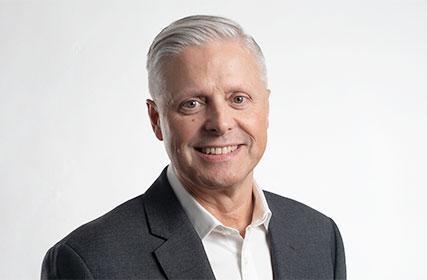 Nigel Maine is the founder of salesXchange and the architect of the sX Operating System — a B2B commercial framework built from three decades of running technology sales, not from marketing theory.
His work is grounded in a single conviction: that most B2B growth models were designed for consumer buying behaviour and have never been corrected. salesXchange exists to fix that. Nigel works directly with CEOs and commercial leadership teams across Technology, SaaS and Professional Services to rebuild their GTM infrastructure from first principles.
He is a published author, public speaker and hosts a weekly B2B live show broadcast across LinkedIn, YouTube and Facebook. Contact: 0800 970 9751 or


