


Most B2B Businesses Get Copywriting Completely Wrong — Here Is Why It Matters
Bad copy does not just fail to convert. It actively destroys trust. Every word on your website, in your emails, in your articles, in your newsletters — all of it is either working for you or working against you. There is no neutral. And in B2B, where 83% of buyers complete the bulk of their research digitally before they will talk to anyone, your copy is your first salesperson. In most cases, it is also your last chance.
We know from our own research that 95% of the market is not actively buying at any given time. That means the majority of people landing on your site are not ready to speak to you. They are assessing whether you are worth coming back to. Your copy decides that. Not your logo. Not your brand colours. The words.
This article covers what B2B copywriting for sales actually means, why most businesses get it wrong, what to look for when finding someone to do it properly, and how to work with a copywriter so they do not waste your time or theirs.
Table of Contents
- Why Copywriting Is Not Optional in B2B
- What Good B2B Copywriting Actually Delivers
- What to Look for When Hiring a B2B Copywriter
- How to Work With a Copywriting Service So It Actually Works
- Key Takeaways
- FAQs
- Conclusion
1. Why Copywriting Is Not Optional in B2B
Most B2B businesses treat copy as decoration. They spend months choosing a website design and twenty minutes writing the words that go on it. Then they wonder why no one enquires.
Copy is the mechanism through which your market decides whether you understand their problem. In B2B, purchasing decisions are not made on impulse. They are made by people who are using their company's money, who are accountable for the ROI, and who will research you thoroughly before they pick up the phone. The copy on your site needs to reflect that reality.
Strong copy educates. It does not just describe what you do — it teaches the reader why they should care and why they should trust you to do it. That takes a very specific kind of writing skill. Writing for B2B is not the same as writing for consumers. It requires an understanding of the sales process, the psychology of a risk-averse buyer, and the patience to lead someone from passive browsing to genuine interest without pushing them away.
Before you go further, take a look at How To Write Great Copy For Your Website — it covers the fundamentals in practical detail and is worth reading alongside the points below.
2. What Good B2B Copywriting Actually Delivers
Hiring someone who genuinely understands B2B copywriting is not a marketing cost. It is a revenue decision. Here is what it changes:
- Consistent, credible brand messaging — your market hears the same story wherever they find you, and it sounds like it was written by someone who knows what they are talking about
- Increased engagement with website visitors — people stay longer, read more, and come back — which is exactly what you need when most of your market is not ready to buy yet
- Improved organic search rankings — Google's current guidance prioritises demonstrable expertise, authority, and trustworthiness. Thin, generic copy does not rank. Substantive, specific, well-structured copy does. Read our copywriting articles for more on how this works in practice
- More effective marketing across every channel — newsletters, landing pages, articles, case studies, social posts — none of it works without the right words underneath it
AI tools like ChatGPT, Claude, and Gemini have made it faster to produce copy. They have not made it easier to produce copy that actually sells. If you feed a generic brief into an AI, you get generic output. The thinking still has to come from someone who understands your buyers, your market, and what shifts someone from interested to committed. AI amplifies the model you give it. Give it a bad brief and you get bad content at speed.
3. What to Look for When Hiring a B2B Copywriter
Most copywriters can write. Very few understand B2B sales. The difference matters enormously. When you are evaluating a copywriting service, look for this:
- Genuine B2B sector experience — not just agency experience, but evidence they understand how B2B buyers think, what motivates them, and what puts them off
- A portfolio of work that demonstrates outcomes — not just pretty websites, but content that was built with a clear commercial purpose behind it
- Flexibility to work with your specific situation — your market, your product, your sales cycle, your tone. Not a templated package applied to everyone
- Capability across different formats — articles, landing pages, email sequences, case studies, video scripts. Good B2B copywriters can handle the full range, because digital selling runs across all of them
One thing to watch: if a copywriter cannot articulate how their words support your sales process, they are probably writing for aesthetics. That is not what you need.
4. How to Work With a Copywriting Service So It Actually Works
Copywriters can only work with what you give them. Poor briefing produces poor copy — and it is almost always the client's fault, not the writer's. To get results:
- Tell them exactly what you want the copy to achieve — not "raise awareness" but "get a qualified prospect to request a demo" or "get someone to read the next article." Be specific about the desired action
- Give them real detail about your buyers — their job titles, their pressures, what they are worried about, what language they use, what questions they keep asking your sales team
- Feedback must be specific — "I don't like it" tells a writer nothing. "This section sounds too passive — our buyers respond to directness" tells them everything they need
- Set clear timelines and stick to them — good copywriters are usually working across several clients. Respect their process and they will respect yours
5. Key Takeaways
- Copy is your frontline salesperson. Treat it like one
- 83% of B2B buyers research digitally before talking to anyone — your copy is doing the selling long before your sales team gets involved
- Good B2B copywriting touches every part of digital selling, from articles to landing pages to email sequences — it has to be right across all of them
- AI tools accelerate production but do not replace thinking. A bad brief produces bad copy faster
- Hire for B2B sales understanding, not just writing ability
- Brief properly. The quality of your brief determines the quality of your copy
6. FAQs
Q: How do I make sure a copywriting service actually understands my brand?
A: Give them your brand guidelines, examples of existing content you are proud of, and a brief that spells out your objectives, your buyers, and the action you want readers to take. The more specific your brief, the better the output. A good copywriter will also ask questions — if they do not, that is a warning sign.
Q: Can a copywriting service help with SEO?
A: Yes, but approach this carefully. Many services claim SEO expertise and deliver keyword stuffing dressed up as content. Google's current guidance rewards genuine expertise and authority — not copy that has been mechanically optimised around search terms. Read our guidance on B2B copywriting and SEO before commissioning any SEO-focused copy work, so you know what to ask for and what to avoid.
7. Conclusion
Most B2B businesses are invisible online — not because they lack a product worth buying, but because their copy does not do the job it needs to do. It does not teach, it does not build trust, and it does not give a passive browser any reason to come back. Fix the copy and you fix the foundation everything else sits on.
The good news is that getting this right is not complicated. It requires clarity about your buyers, discipline in how you brief, and the honesty to work with people who understand B2B sales — not just people who can string sentences together. Whether you bring that capability in-house or work with an external service, the principle is the same: every word should earn its place by moving a potential customer closer to a conversation.
salesXchange covers all of this — not just copywriting, but the full picture of how digital selling works and why most B2B go-to-market approaches fail before they start. If you want to understand the whole system, not just one part of it, start there.
The problem this article keeps circling back to is the same problem we see in almost every B2B business we work with: words are being written without a sales model behind them. Copy without a framework produces content that looks busy and delivers nothing. The GTM Reset course addresses exactly that — it gives you the model first, so that everything you produce, from copy to campaigns to conversations, is built on something that actually works.
The course is 20 modules, CPD certified, built on sales fact and not marketing theory. Most CEOs go through it with their VP of Sales, aligning on the diagnosis together before involving the rest of the GTM team and implementing the new strategy.
Review The Reset TodayRelated Articles in This Series
- B2B Copywriting for Sales — How to Write Content That Moves Buyers Closer
- Crafting B2B Content That Prospects Actually Want to Read
- How AI and ChatGPT Are Changing B2B Sales Pipeline Development
- How to Write B2B Website Copy That Earns Attention From Buyers
- Stop Selling at First Contact — How to Guide B2B Buyers to Conversion
Complete guide: Digital Selling: Copywriting for Tech | SaaS | Services
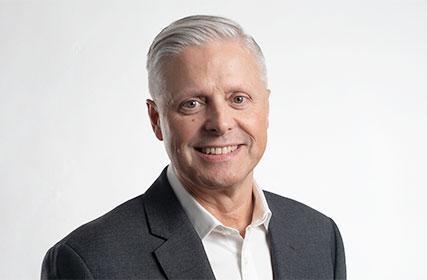 Nigel Maine is the founder of salesXchange and the architect of the sX Operating System — a B2B commercial framework built from three decades of running technology sales, not from marketing theory.
His work is grounded in a single conviction: that most B2B growth models were designed for consumer buying behaviour and have never been corrected. salesXchange exists to fix that. Nigel works directly with CEOs and commercial leadership teams across Technology, SaaS and Professional Services to rebuild their GTM infrastructure from first principles.
He is a published author, public speaker and hosts a weekly B2B live show broadcast across LinkedIn, YouTube and Facebook. Contact: 0800 970 9751 or


